
How to Create a Balanced Diet for Everyday Life – India Times Group
Introduction
A balanced diet is one of the most important foundations of a healthy lifestyle. The food we eat provides the energy and nutrients our bodies need to function properly, maintain strength, support immunity, and promote overall well-being. However, eating healthily does not always mean following a strict meal plan or avoiding favourite foods. It means understanding the body’s nutritional needs and making sensible food choices that can be maintained throughout everyday life.
Modern lifestyles often make healthy eating challenging. Busy work schedules, academic responsibilities, irregular meal timings, convenient packaged foods, and limited time for cooking can influence daily eating habits. Many people skip breakfast, consume too few fruits and vegetables, or rely heavily on foods containing excessive salt, sugar, and unhealthy fats. Over time, these habits may affect energy levels, digestion, and long-term health.
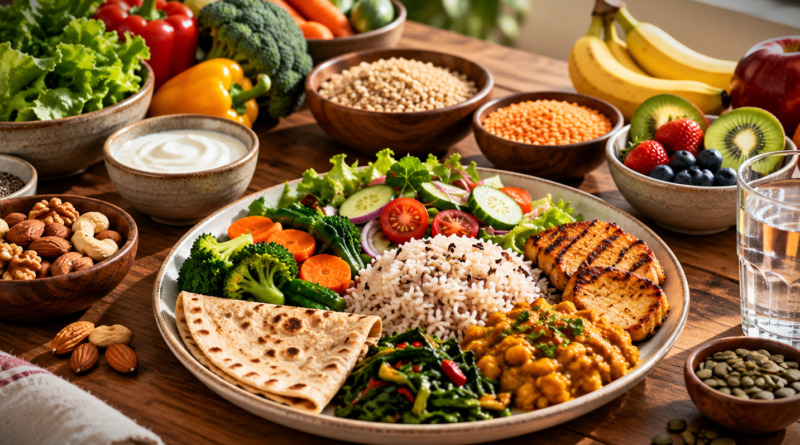
Creating a balanced diet does not require expensive ingredients or complicated recipes. Everyday foods such as whole grains, seasonal vegetables, fruits, pulses, dairy products, nuts, seeds, and suitable protein sources can provide much of what the body needs. The key is to maintain variety, appropriate portions, regular eating habits, and a practical approach to nutrition.
By learning how to combine different food groups, plan meals, and recognize individual nutritional needs, anyone can develop healthier eating patterns that fit comfortably into daily life.
1. Understand What a Balanced Diet Means
A balanced diet supplies the body with essential nutrients in suitable amounts. These nutrients include carbohydrates, proteins, fats, vitamins, minerals, fibre, and water. Each performs a different function, and none should be considered unnecessary when consumed in appropriate quantities.
Carbohydrates provide energy for daily activities and support the functioning of the brain and muscles. Proteins help build and repair tissues and support normal immune function. Healthy fats contribute to hormone production, help the body absorb certain vitamins, and provide concentrated energy.
Vitamins and minerals support numerous processes, including bone development, blood formation, nerve function, and the maintenance of healthy skin. Fibre supports digestion and can help maintain regular bowel movements. Water is essential for transporting nutrients, regulating body temperature, and maintaining normal bodily functions.
A balanced diet includes different foods rather than depending on a single ingredient or food group. Eating rice every day, for example, can be part of a healthy routine, but combining it with dal, vegetables, curd, and other suitable foods creates greater nutritional variety.
The objective is not perfection at every meal. Instead, aim for an overall pattern of eating that supplies the nutrients needed for health, growth, activity, and recovery.
2. Include a Variety of Food Groups
One of the simplest ways to improve everyday nutrition is to include foods from several groups throughout the day.
Whole grains: Rice, whole-wheat roti, oats, millet, and other grains provide energy and, depending on the variety and processing, fibre and additional nutrients. Choosing whole grains regularly can help increase fibre intake.
Vegetables: Green leafy vegetables, carrots, tomatoes, cauliflower, beans, pumpkin, and other seasonal produce supply vitamins, minerals, fibre, and beneficial plant compounds. Different colours often indicate different combinations of nutrients.
Fruits: Bananas, apples, oranges, guavas, papayas, and seasonal fruits contribute vitamins, minerals, fibre, and water. Whole fruits are generally preferable to fruit juice because they retain more fibre.
Protein-rich foods: Dal, chickpeas, kidney beans, peas, soy products, eggs, fish, poultry, and other suitable foods provide protein. Including different sources helps create a varied diet.
Dairy or suitable alternatives: Milk, curd, paneer, and appropriately fortified alternatives can contribute protein and calcium. Choose options that fit individual nutritional requirements and preferences.
Nuts and seeds: Almonds, walnuts, peanuts, sesame seeds, and flaxseeds provide healthy fats and other nutrients. They can be included in moderate portions as part of meals or snacks.
Combining these food groups throughout the day makes meals more satisfying and improves the likelihood of meeting nutritional needs.
3. Build a Balanced Everyday Plate
Meal planning becomes easier when you use a simple visual guide instead of calculating every nutrient.
A practical approach is to fill approximately half your plate with vegetables and, where appropriate, some fruit; use one-quarter for protein-rich foods; and reserve one-quarter for grains or other starchy foods. This is a flexible guide rather than a rigid rule, and actual requirements vary with age, activity, appetite, health, and individual circumstances.
For example, a balanced Indian lunch might include:
Two rotis or an appropriate serving of rice.
A bowl of dal, beans, paneer, eggs, fish, or another protein source.
One or two vegetable preparations.
A serving of curd, if suitable.
Water to drink.
A similar balance can be achieved with vegetable khichdi served with curd and additional vegetables, or with rice, rajma, salad, and cooked greens.
Breakfast could include vegetable poha with peanuts, oats with milk and fruit, or eggs with whole-grain toast and vegetables. Dinner might consist of roti, mixed vegetables, and dal.
The exact portions should reflect your hunger and nutritional needs. Growing teenagers, physically active people, and individuals recovering from illness may require different amounts of food. A balanced plate should support adequate nourishment rather than encourage unnecessary restriction.
4. Make Breakfast Nutritious and Satisfying
Breakfast can help provide energy and nutrients after the overnight period without food. However, individual appetite and schedules differ, so there is no single breakfast that suits everyone.
A nutritious breakfast generally combines carbohydrates with protein, fibre, or healthy fats. This combination can make a meal more satisfying than one consisting mainly of refined carbohydrates or sugary foods.
Traditional Indian options offer considerable variety. Vegetable upma, poha with peanuts, idli with sambar, stuffed vegetable paratha with curd, and dal chilla can all form part of a balanced breakfast. Oats, fruit, milk, nuts, and eggs are other useful choices.
Preparing ingredients in advance can make breakfast easier on busy mornings. Vegetables can be chopped beforehand, oats can be prepared overnight, and batter or dough can be stored safely according to appropriate food-handling practices.
If mornings are particularly rushed, choose something practical that still provides nourishment rather than depending entirely on packaged snacks or sweetened drinks.
Breakfast should not become a source of stress. Its purpose is to support your overall eating pattern, not to follow an inflexible rule.
5. Choose Healthy Snacks Between Meals
Snacks can help satisfy hunger between meals and contribute useful nutrients. They are particularly helpful when there is a long gap between lunch and dinner or when daily activities increase energy requirements.
The most suitable snack depends on appetite, preferences, availability, and the amount of time before the next meal.
Practical options include fresh fruit, roasted chickpeas, plain yoghurt, a small serving of nuts, boiled eggs, vegetable sandwiches, or homemade snacks prepared with a variety of ingredients.
Packaged foods are not automatically unhealthy, and occasional biscuits or other favourite snacks can fit into a balanced diet. However, frequently replacing nutritious meals with foods high in salt, added sugar, or saturated fat can reduce overall dietary quality.
Pay attention to hunger and fullness rather than eating automatically whenever food is available. At the same time, do not ignore genuine hunger simply because it is not a conventional mealtime.
A flexible approach helps make healthy eating sustainable without creating unnecessary guilt around food.
6. Drink Enough Water Every Day
Water plays a central role in digestion, circulation, temperature regulation, and the transportation of nutrients. Even mild dehydration can sometimes contribute to headaches, tiredness, or difficulty concentrating.
Daily fluid requirements vary according to age, activity, climate, diet, and health. Hot weather and physical activity generally increase fluid needs, while some medical conditions require individualized fluid guidance.
Keep drinking water accessible throughout the day. Drinking with meals and taking regular drinks during work, study, or outdoor activities can make hydration easier to maintain.
Water is usually a suitable everyday drink. Milk and other beverages can also contribute fluids, although drinks high in added sugar should not become the primary source of hydration.
Fruits, vegetables, soups, and other water-containing foods also contribute to fluid intake.
Avoid assuming that everyone needs exactly the same number of glasses each day. Thirst, urine colour, environmental conditions, and activity can provide useful general clues, although these indicators are not reliable for every medical situation.
7. Reduce Excess Sugar, Salt, and Unhealthy Fats
A balanced diet is not defined only by the foods included; it also depends on the overall amount and frequency of certain ingredients.
Excessive consumption of added sugar can increase the risk of dental problems and contribute to an unbalanced diet. Sweetened beverages, confectionery, sugary cereals, and desserts can add substantial sugar without supplying many essential nutrients.
Salt is necessary in small amounts, but consistently consuming too much can contribute to high blood pressure. Packaged snacks, instant foods, pickles, sauces, and heavily salted meals can be significant sources.
Fats are essential for health, but their sources matter. Nuts, seeds, and suitable vegetable oils provide unsaturated fats. Foods containing substantial amounts of trans fats or excessive saturated fats should be limited within an overall healthy eating pattern.
Small changes can make a meaningful difference. Try using herbs, spices, lemon, or other flavourings instead of relying heavily on salt. Choose water more often than sugary drinks, and prepare meals at home when practical.
There is no need to eliminate every sweet or fried food. Focus on frequency, variety, and overall dietary quality instead of treating individual foods as moral successes or failures.
8. Plan Meals Around Your Daily Routine
Meal planning is one of the most effective ways to make balanced eating practical. Without a plan, people may skip meals, depend on convenience foods, or find it difficult to include vegetables and protein regularly.
Begin by identifying your usual schedule. Consider when you wake up, work or study, exercise, and return home. Then select meals that fit those timings without requiring excessive preparation.
A simple weekly plan might include dal and rice on one day, rajma with roti on another, vegetable khichdi on a busy evening, and seasonal vegetables with eggs, paneer, fish, or another protein source on different days.
Prepare basic ingredients in advance when possible. Cooked beans, washed vegetables, and suitable refrigerated leftovers can reduce the time needed to prepare meals. Store food safely and refrigerate perishable items promptly.
Shopping lists also help. Purchase seasonal produce, grains, pulses, and other essentials according to the meals you intend to prepare. This can reduce food waste and make shopping more economical.
Remember that meal plans should be flexible. Unexpected commitments, changing appetites, and ingredient availability are normal parts of daily life.
9. Understand Portion Sizes Without Strict Restrictions
Eating a balanced diet involves consuming enough food to meet the body’s needs. Both inadequate intake and consistently excessive intake can affect health, but the appropriate amount differs considerably between individuals.
Age, growth, physical activity, appetite, health conditions, and personal circumstances all influence nutritional requirements. A person who spends much of the day doing physical work may need more energy than someone with a less active routine.
Instead of following rigid portion rules, start with a varied meal, eat at a comfortable pace, and pay attention to hunger and fullness. Some days you may naturally need more food than others.
Avoid skipping meals to compensate for eating more at an earlier meal. Similarly, do not force yourself to finish food when you are comfortably full.
Children and teenagers need adequate nutrition for growth and development. Older adults may have different needs related to appetite, digestion, medications, or health conditions.
Anyone who needs a specialized dietary plan because of a medical condition should seek advice from a qualified healthcare professional or registered dietitian.
10. Adapt Your Diet to Indian Food Habits
A healthy diet does not require abandoning familiar dishes or buying expensive imported ingredients. Indian cuisine offers numerous affordable foods that can support balanced nutrition.
Dal, chana, rajma, seasonal vegetables, curd, whole grains, peanuts, and locally available fruits are useful ingredients for everyday meals. Different combinations can provide variety without making cooking complicated.
For vegetarian diets, include several protein sources across the day, such as pulses, beans, soy products, dairy foods, nuts, and seeds. People following vegan diets need to pay particular attention to vitamin B12, which generally requires reliable fortified foods or supplementation under appropriate guidance.
Iron-rich foods such as pulses, beans, and leafy vegetables can be paired with vitamin C-rich foods to improve the absorption of plant-based iron. Tea and coffee consumed close to meals may reduce iron absorption in some circumstances, so people with low iron levels may benefit from individualized advice.
Traditional meals can also be adapted by adding vegetables, using a variety of grains, and including suitable protein sources.
Healthy eating should respect cultural preferences, household budgets, and the foods people enjoy. Consistency matters more than following fashionable dietary trends.
Conclusion
Creating a balanced diet for everyday life begins with simple, sustainable habits. Include a variety of vegetables, fruits, whole grains, protein-rich foods, healthy fats, and adequate fluids. Plan meals around your schedule, choose satisfying snacks when needed, and pay attention to your body’s hunger and fullness signals.
You do not need expensive ingredients, complicated recipes, or strict food rules to eat well. Familiar foods can provide excellent nutrition when combined thoughtfully and prepared in ways that suit your preferences and circumstances.
The most successful dietary changes are those that can be maintained over time. Start by improving one or two habits, such as adding vegetables to lunch, choosing fruit more often, drinking water regularly, or preparing meals ahead of busy days. Gradually build on these improvements as they become part of your routine.
A balanced diet is not about achieving perfection at every meal. It is about providing your body with the nourishment it needs while enjoying food as an important part of daily life. With thoughtful choices, flexibility, and consistency, healthy eating can become a natural and rewarding habit.