
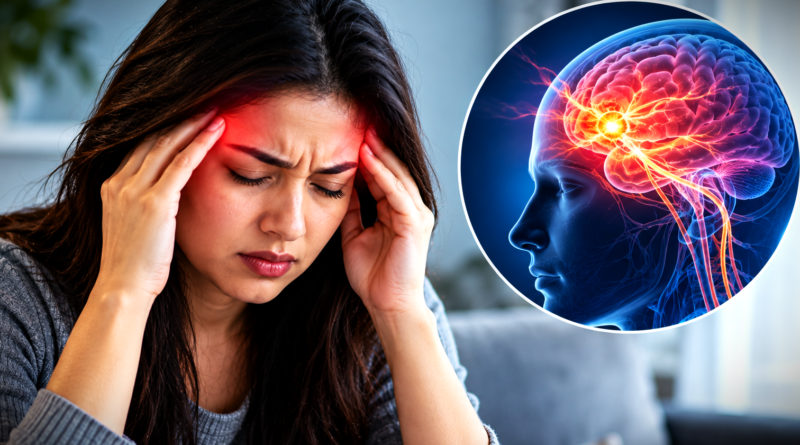
Understanding Migraine: Causes, Diagnosis, and Treatment – India Times Group
Introduction
Migraine is a neurological condition that can cause recurring headaches and a range of other symptoms that interfere with daily life. It is more than an ordinary headache because it may involve nausea, sensitivity to light and sound, visual disturbances, and difficulty concentrating. For some people, an episode lasts several hours, while others experience symptoms that continue for days. The frequency and severity of attacks vary considerably from one individual to another.
Migraine can affect children, teenagers, and adults, although its symptoms and patterns may change throughout life. It can interfere with education, employment, family responsibilities, sleep, and social activities. Despite its widespread impact, migraine is sometimes misunderstood as a minor problem that can always be managed by taking a painkiller.
Understanding migraine is important because early recognition, appropriate diagnosis, and an individualized treatment plan can help people manage symptoms more effectively. Although there is currently no universal cure, various medical treatments and lifestyle strategies can reduce the frequency and severity of attacks. Learning about migraine also helps patients recognize warning signs, identify possible triggers, and understand when professional medical care is necessary.
What Is Migraine?
Migraine is a neurological disorder characterized by recurring attacks that commonly involve moderate to severe headaches and other neurological or physical symptoms. The pain frequently affects one side of the head, although it can occur on both sides or change location during an episode.
Migraine symptoms develop through complex interactions involving the nervous system, brain signalling, sensory processing, and pathways associated with pain. Researchers continue to investigate the mechanisms responsible for migraine, and no single explanation accounts for every person’s experience.
Unlike a typical headache caused by temporary tension or another straightforward factor, migraine can affect several aspects of functioning. People may experience nausea, sensitivity to bright lights, discomfort from ordinary sounds, or an increased need to rest in a quiet, dark room.
Some individuals experience migraine occasionally, while others have attacks several times a month. In certain cases, headaches occur on many days each month and require specialized assessment.
Migraine is a genuine neurological condition, not a sign of weakness or a problem that exists only because someone is stressed. Appropriate medical attention can help distinguish migraine from other causes of headaches and guide effective management.
Common Symptoms of Migraine
Migraine symptoms differ between individuals and may change from one episode to another. Recognizing the usual pattern can help people explain their experiences to healthcare professionals.
Headache pain: Migraine pain is often throbbing or pulsating and may range from moderate to severe. Physical activity, such as climbing stairs or walking quickly, can make the discomfort worse.
Nausea and vomiting: Some people experience nausea during an attack, while others may vomit. Digestive symptoms can make eating and drinking difficult.
Sensitivity to light and sound: Ordinary lighting, television sounds, conversations, or traffic noise may become uncomfortable. Some people also develop sensitivity to smells.
Fatigue: Unusual tiredness, reduced energy, and difficulty completing everyday activities can occur before, during, or after an attack.
Concentration difficulties: People may struggle to focus, find words, or perform tasks that normally feel easy.
Visual disturbances: Some individuals experience temporary flashing lights, zigzag patterns, blind spots, or other changes in vision associated with migraine aura.
Not everyone experiences all these symptoms. Some people have migraine without a headache, while others experience headaches without visual or sensory disturbances.
Because different neurological and medical conditions can produce similar symptoms, unusual, severe, or sudden changes should not automatically be assumed to be migraine.
Different Types of Migraine
Migraine can be classified into several types according to its symptoms and frequency.
Migraine Without Aura
This is a common form of migraine. It typically involves recurring headaches accompanied by symptoms such as nausea, sensitivity to light, or sensitivity to sound. The pain may last between four and seventy-two hours in untreated attacks, although duration varies.
Migraine With Aura
Aura refers to temporary neurological symptoms that usually develop gradually before or around the beginning of a headache. Visual changes are common, but some people experience tingling sensations, numbness, or difficulty speaking.
Aura symptoms generally resolve completely, but their appearance can be alarming. A first episode, a sudden change in the usual pattern, or symptoms that differ from previous attacks require prompt medical assessment because other conditions can resemble migraine aura.
Chronic Migraine
Chronic migraine describes a pattern involving headaches on fifteen or more days per month for over three months, with migraine features on at least eight days per month. A healthcare professional must assess the pattern to establish the diagnosis.
Frequent headaches can significantly affect quality of life and may require preventive medication and specialist care.
Menstrual-Related Migraine
Some individuals experience migraine attacks around menstruation, often associated with hormonal changes. These attacks may follow a recurring pattern and can sometimes be more difficult to manage.
Identifying the timing of attacks can help a healthcare professional develop an appropriate treatment plan.
Causes and Risk Factors of Migraine
The exact cause of migraine is not fully understood. Current medical understanding suggests that it involves altered activity within the nervous system and interactions among genetic, neurological, and environmental factors.
Genetics: Migraine frequently runs in families. Having relatives with migraine may increase a person’s likelihood of experiencing the condition, although family history does not guarantee that it will develop.
Nervous system activity: Changes in brain signalling and the processing of sensory information contribute to migraine attacks. The trigeminal pain system and certain chemical messengers are involved in the process.
Hormonal changes: Fluctuations in hormones, particularly oestrogen, can influence migraine patterns in some people. Attacks may occur around menstruation, pregnancy-related changes, or menopause.
Sleep disturbances: Insufficient sleep, irregular sleeping schedules, and changes in normal routines may contribute to attacks in susceptible individuals.
Stress: Emotional pressure can be associated with migraine attacks. Some people notice headaches during stressful periods, while others experience them when stress begins to decrease.
Environmental influences: Bright or flickering lights, strong smells, loud sounds, and changes in weather may be associated with attacks for certain individuals.
Dietary and hydration factors: Skipping meals, inadequate fluid intake, or particular foods and drinks may contribute to attacks in some people. However, triggers vary, and many commonly blamed foods do not affect everyone.
It is important to distinguish between a cause and a trigger. A trigger may help initiate an attack in someone already susceptible to migraine, but it does not necessarily explain why the underlying condition exists.
How Migraine Is Diagnosed
Migraine is generally diagnosed through a detailed medical history and physical examination. There is no single routine blood test that confirms every case.
A healthcare professional will usually ask about the location and nature of the pain, its duration, the frequency of attacks, associated symptoms, and factors that appear to make the headaches better or worse.
Information about family history, medications, sleep patterns, menstrual timing where relevant, and previous treatments may also help.
A headache diary can be particularly useful. Recording when attacks occur, how long they last, the symptoms involved, possible triggers, medication use, and the impact on daily activities can reveal patterns that might otherwise be overlooked.
The clinician may perform a neurological examination to assess functions such as strength, sensation, coordination, and reflexes. Imaging tests, including magnetic resonance imaging or computed tomography, are not required for every typical migraine case. They may be recommended when symptoms, examination findings, or medical history suggest another possible cause.
Seek emergency medical care for a sudden, extremely severe headache, a new headache accompanied by weakness or confusion, fainting, fever with a stiff neck, or other serious neurological symptoms. New visual loss or difficulty speaking also requires urgent assessment. These symptoms should not be attributed to migraine without appropriate evaluation.
Medical Treatment for Migraine
Migraine treatment generally has two main goals: relieving an ongoing attack and preventing future attacks. The appropriate approach depends on symptom severity, attack frequency, other medical conditions, medication safety, and individual preferences.
Acute Treatment
Acute medicines are taken when an attack begins or according to a clinician’s instructions.
Common options include paracetamol or non-steroidal anti-inflammatory drugs, such as ibuprofen, for suitable patients. These medicines are not appropriate for everyone, particularly people with certain kidney, stomach, liver, bleeding, or other medical problems.
Triptans are prescription medicines used to treat migraine attacks. They work through specific serotonin receptors and may help reduce headache pain and associated symptoms. They are unsuitable for some people, including those with certain cardiovascular conditions.
Other prescription treatments may include medicines directed at nausea or migraine-specific medicines targeting the calcitonin gene-related peptide pathway. Availability and suitability vary.
Treatment often works best when used at the recommended stage of an attack. However, taking pain-relieving medicines too frequently can contribute to medication-overuse headache. Patients should discuss appropriate use with a healthcare professional rather than repeatedly increasing doses or combining medicines independently.
Preventive Treatment
Preventive treatment may be considered when attacks are frequent, disabling, prolonged, or inadequately controlled by acute medicines.
Depending on the individual, options can include certain blood-pressure medicines, some antidepressants, selected anti-seizure medicines, CGRP-targeting therapies, and botulinum toxin injections for appropriate patients with chronic migraine.
These treatments differ in their benefits, possible adverse effects, cost, and suitability. Some require several weeks or months to assess their effectiveness.
Preventive treatment is not limited to medication. Consistent routines, trigger management, and behavioural approaches may also contribute to better control.
A clinician can review progress periodically and adjust treatment according to the person’s response and changing needs.
Lifestyle Changes That May Help
Lifestyle measures can support medical treatment and help some people reduce migraine attacks. They are not guaranteed to prevent every episode, but consistency may improve overall management.
Maintain regular sleep: Going to bed and waking up at approximately consistent times can help avoid disruptive changes in sleep patterns.
Eat meals regularly: Skipping meals may contribute to attacks in susceptible individuals. Balanced meals and regular eating schedules can help maintain energy levels.
Stay hydrated: Drinking sufficient fluids throughout the day can reduce problems associated with inadequate hydration.
Exercise appropriately: Regular, manageable physical activity can support general health. People who find that intense exercise triggers headaches may benefit from gradual activity and medical guidance.
Manage stress: Relaxation exercises, breathing techniques, mindfulness, and enjoyable hobbies may help people manage stress associated with migraine.
Track individual triggers: A diary can help identify repeated associations between attacks and particular circumstances. Unnecessary dietary restrictions should be avoided unless there is a clear reason.
Create a comfortable environment: During an attack, resting in a quiet, dark room may reduce discomfort for some people.
These strategies should complement, rather than replace, appropriate medical care.
Migraine Complications and Daily Challenges
Migraine can affect much more than physical comfort. Repeated attacks may interfere with attendance at school or work, family responsibilities, social plans, and sleep.
People may worry about when the next attack will occur, particularly if episodes are unpredictable. This uncertainty can contribute to frustration, reduced confidence, and emotional stress.
Frequent headaches can also lead to excessive reliance on acute medication. Medication-overuse headache is an important concern when pain-relieving medicines are used too often.
A severe and uncommon complication called status migrainosus involves a debilitating migraine attack lasting longer than seventy-two hours. Medical assessment is important when a prolonged attack occurs, particularly if the person cannot maintain adequate hydration or has unusual symptoms.
Support from family members, employers, teachers, and colleagues can make migraine easier to manage. Flexible arrangements, understanding during attacks, and access to appropriate healthcare may help reduce its effect on everyday life.
Conclusion
Migraine is a complex neurological condition that can affect physical comfort, emotional well-being, concentration, and everyday responsibilities. Its symptoms, causes, and patterns vary widely, making individualized assessment and treatment important.
Although migraine cannot always be prevented or eliminated, a combination of appropriate medication, preventive care, consistent routines, and awareness of personal triggers can help many people manage the condition more effectively.
Recognizing recurring symptoms and keeping a headache diary can support accurate diagnosis. Medical guidance is particularly important when headaches become frequent, treatments stop working, or symptoms change unexpectedly.
Most importantly, migraine should not be dismissed as an ordinary headache or a problem that people can overcome simply through willpower. Understanding the condition encourages better treatment decisions, reduces misconceptions, and helps individuals seek support without embarrassment.
With proper care, informed lifestyle choices, and ongoing communication with healthcare professionals, many people with migraine can improve symptom control and maintain a better quality of life.