
Understanding Coronary Artery Disease and Its Treatment – India Times Group
Introduction
Coronary artery disease (CAD) is one of the most common cardiovascular conditions worldwide and a major cause of serious illness among adults. It develops when the blood vessels supplying oxygen-rich blood to the heart muscle become narrowed or blocked, usually because of a gradual buildup of fatty substances, cholesterol, and other materials within their walls. As these deposits accumulate, the heart may receive less blood than it needs, particularly during physical activity or emotional stress.
The heart works continuously to circulate blood throughout the body. To perform this demanding task, its own muscle requires a steady supply of oxygen and nutrients. Coronary arteries provide that essential supply. When their normal function is disrupted, the consequences can range from chest discomfort during exertion to a heart attack or other life-threatening complications.
Although coronary artery disease can develop over many years, it is not always recognized during its early stages. Some people experience warning symptoms, while others discover the condition only after a serious cardiac event. Understanding its causes, symptoms, diagnostic methods, and treatment options can help people make informed decisions about their cardiovascular health.
Modern medicine offers several ways to manage coronary artery disease, including lifestyle changes, medications, and procedures that improve blood flow. With appropriate medical care and long-term attention to risk factors, many people with this condition can maintain a better quality of life and reduce their risk of complications.
What Is Coronary Artery Disease?
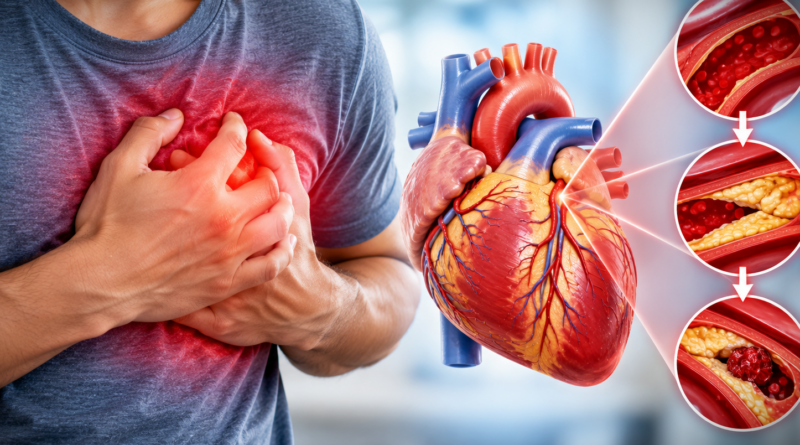
Coronary artery disease occurs when the arteries supplying the heart muscle become narrowed or obstructed. The most common underlying process is atherosclerosis, in which cholesterol, fatty material, inflammatory cells, and other substances accumulate within artery walls to form deposits called plaques.
Over time, these plaques can make the arteries narrower and less flexible. As a result, blood flow to the heart muscle may become insufficient, especially when the heart needs additional oxygen during exercise or other demanding activities.
In some cases, a plaque ruptures or becomes damaged, triggering the formation of a blood clot. If the clot significantly blocks blood flow, part of the heart muscle may suddenly lose its oxygen supply. This can cause a heart attack, which requires immediate medical attention.
Coronary artery disease does not affect everyone in the same way. Some individuals develop gradual narrowing that produces recurring symptoms, while others experience a sudden cardiac emergency.
The condition is influenced by a combination of inherited characteristics, age, existing medical conditions, and lifestyle factors. Recognizing these influences is important because many major risk factors can be managed through preventive care.
Causes and Risk Factors of Coronary Artery Disease
Coronary artery disease usually develops through a combination of processes that damage blood vessels and encourage plaque formation.
1. High Cholesterol
Cholesterol is a substance the body needs to build cells and produce certain hormones. However, excessive low-density lipoprotein cholesterol, commonly known as LDL cholesterol, can contribute to plaque formation inside arteries.
When cholesterol accumulates within artery walls, inflammatory processes may encourage deposits to grow. Over time, these changes can reduce the space available for blood to flow.
Maintaining healthy cholesterol levels through appropriate nutrition, physical activity, and medication when necessary can help lower cardiovascular risk.
2. High Blood Pressure
High blood pressure places additional strain on the walls of blood vessels. Persistent pressure can contribute to vascular damage and accelerate the development of atherosclerosis.
Because hypertension may not produce obvious symptoms, regular blood pressure checks are important. Treatment may involve dietary changes, physical activity, stress management, and prescribed medication.
3. Diabetes
Diabetes can increase the risk of coronary artery disease because persistently elevated blood glucose can damage blood vessels and affect several processes involved in cardiovascular health.
People with diabetes may also have other contributing risk factors, including abnormal cholesterol levels and high blood pressure. Managing blood glucose alongside these associated conditions is an important part of heart disease prevention.
4. Smoking and Tobacco Exposure
Smoking damages blood vessels, promotes inflammation, and makes blood more likely to form clots. It can also negatively affect cholesterol levels and increase the risk of heart attacks.
Stopping smoking is one of the most important steps a person can take to improve cardiovascular health. Avoiding secondhand smoke also helps reduce exposure to harmful substances.
5. Physical Inactivity and Unhealthy Eating Patterns
A sedentary lifestyle can contribute to weight gain, elevated blood pressure, insulin resistance, and unhealthy cholesterol levels.
Diets frequently high in salt, trans fats, saturated fats, and highly processed foods may also increase cardiovascular risk, particularly when they displace nutritious alternatives.
Regular movement and a balanced diet rich in vegetables, fruits, whole grains, legumes, nuts, and appropriate sources of protein can support healthier cardiovascular function.
6. Age, Family History, and Other Factors
The likelihood of coronary artery disease generally increases with age. A family history of premature cardiovascular disease can also indicate an increased inherited risk.
Additional influences include chronic kidney disease, obesity, certain inflammatory conditions, and ongoing exposure to severe social or environmental stressors.
Having one or more risk factors does not guarantee that someone will develop coronary artery disease. However, understanding personal risk can help guide preventive screening and medical decisions.
Common Symptoms of Coronary Artery Disease
Symptoms vary according to the severity of arterial narrowing, the amount of heart muscle affected, and the individual’s overall health.
Chest discomfort: Angina is a common symptom. It may feel like pressure, tightness, heaviness, squeezing, or discomfort in the chest. It can occur during exercise, emotional stress, or other situations that increase the heart’s demand for oxygen.
Shortness of breath: Some people experience breathlessness during physical activity because the heart cannot receive sufficient blood to meet increased demands.
Pain spreading to other areas: Discomfort may extend to the shoulders, arms, back, neck, jaw, or upper abdomen.
Unusual fatigue: Some individuals experience persistent tiredness or reduced exercise tolerance, sometimes before recognizing other symptoms.
Nausea, sweating, or dizziness: These symptoms may accompany a heart attack or another cardiovascular problem.
Some people, including those with diabetes and older adults, may experience less typical symptoms or have no obvious warning signs.
A heart attack may occur even when a person has not previously experienced angina. Sudden chest pressure, breathing difficulty, cold sweating, or unexplained discomfort in the upper body should never be ignored.
If a heart attack is suspected, call India’s emergency number, 112, or the locally available emergency medical service immediately. Do not attempt to drive yourself to the hospital.
How Is Coronary Artery Disease Diagnosed?
Diagnosing coronary artery disease involves evaluating symptoms, cardiovascular risk factors, medical history, and appropriate investigations. The choice of tests depends on the person’s condition and the clinical question being addressed.
Medical History and Physical Examination
A healthcare professional may ask about chest discomfort, breathing difficulties, activity levels, smoking, family history, and existing medical conditions.
Blood pressure, heart rate, and other examination findings can help determine which investigations may be necessary.
Blood Tests
Blood tests can measure cholesterol levels, blood glucose, and other indicators relevant to cardiovascular risk.
When a heart attack is suspected, doctors commonly measure cardiac troponin, a protein released into the blood when heart muscle cells are injured.
Electrocardiogram
An electrocardiogram, or ECG, records the heart’s electrical activity. It can identify certain abnormalities associated with reduced blood supply, previous heart damage, or an ongoing heart attack.
However, a normal ECG does not always rule out coronary artery disease.
Echocardiography
An echocardiogram uses ultrasound to examine the heart’s structure and pumping function. It can help identify areas of weakened movement or other conditions that may explain a person’s symptoms.
Coronary CT Angiography
This imaging test uses computed tomography and contrast material to examine the coronary arteries. It can help identify plaque and assess narrowing in selected patients.
Invasive Coronary Angiography
During this procedure, a thin catheter is guided through a blood vessel and contrast material is introduced to make the coronary arteries visible on imaging. It can identify significant blockages and help doctors determine whether a procedure to restore blood flow may be appropriate.
Not every patient needs every test. Investigations are selected according to symptoms, risk, and the likely benefits of obtaining additional information.
Treatment Options for Coronary Artery Disease
Treatment aims to improve blood flow when necessary, reduce the risk of heart attacks, control symptoms, and prevent further progression of cardiovascular disease. The most appropriate approach depends on the severity of the condition and the individual’s overall health.
1. Lifestyle Modifications
Lifestyle changes form an important foundation of coronary artery disease management, whether or not a person requires medication or a procedure.
A heart-supportive eating pattern includes vegetables, fruits, whole grains, beans, lentils, nuts, and suitable sources of protein. Replacing trans fats and reducing excessive saturated fat intake can help improve cholesterol levels. Limiting excess salt can support blood pressure control.
Regular physical activity can improve cardiovascular fitness, blood pressure, and insulin sensitivity. However, people with diagnosed coronary artery disease should discuss suitable exercise levels with their healthcare team, particularly if they have chest pain or other symptoms.
Avoiding tobacco, maintaining regular sleep routines, managing stress, and attending follow-up appointments also contribute to long-term care.
Lifestyle changes are valuable, but they should not replace prescribed treatments when medication or medical procedures are necessary.
2. Medications
Doctors may prescribe several types of medication depending on the patient’s symptoms, cholesterol levels, blood pressure, and cardiovascular history.
Cholesterol-lowering medicines: Statins are commonly prescribed to reduce LDL cholesterol and lower the risk of cardiovascular events. Other cholesterol-lowering medicines may be considered when needed.
Antiplatelet medicines: Drugs such as aspirin or clopidogrel may be prescribed to reduce the risk of certain blood clots in appropriate patients. These medicines can increase bleeding risk, so they should only be used according to medical advice.
Beta-blockers: These medicines reduce the heart’s workload and may help control angina in selected patients.
Nitrates: Certain nitrate medicines can relieve angina by improving blood flow and reducing the heart’s workload.
Blood pressure medicines: ACE inhibitors, angiotensin receptor blockers, and other medications may be used when appropriate, particularly in patients with hypertension or specific heart conditions.
Medication choices must be individualized. Patients should not stop prescribed cardiac medicines or begin aspirin treatment independently without discussing the risks and benefits with a healthcare professional.
3. Angioplasty and Stent Placement
Angioplasty is a procedure used to widen a narrowed coronary artery. A catheter with a small balloon is guided to the affected area, where the balloon is inflated to improve the opening.
A small mesh tube called a stent is often placed inside the artery to help keep it open. Many modern stents release medication that reduces the likelihood of the treated area narrowing again.
Angioplasty may be performed urgently during certain heart attacks or electively to manage symptoms in selected patients.
The procedure can improve blood flow and relieve angina. However, it does not eliminate the underlying tendency to develop atherosclerosis. Continued medication, healthy habits, and follow-up care remain essential.
4. Coronary Artery Bypass Surgery
Coronary artery bypass grafting, commonly called bypass surgery, is an operation that creates an alternative route for blood to travel around narrowed or blocked coronary arteries.
Surgeons use a blood vessel taken from another part of the body to construct the bypass. Depending on the patient’s condition, one or more arteries may be bypassed.
Bypass surgery may be recommended for people with complex disease, multiple significant blockages, or particular patterns of coronary artery disease in which surgery offers important benefits.
The decision involves evaluating symptoms, coronary anatomy, heart function, other medical conditions, and the expected benefits and risks of surgery.
Recovery generally involves hospital care, gradual return to activity, medication, and cardiac rehabilitation.
The Importance of Cardiac Rehabilitation
Cardiac rehabilitation is a structured programme that supports recovery and long-term cardiovascular health after certain cardiac events, procedures, or diagnoses.
It may include supervised exercise, education about heart disease, nutrition guidance, support with tobacco cessation, and strategies for managing stress.
Rehabilitation helps people understand their condition and learn how to resume daily activities safely. It can also improve confidence and encourage consistent adherence to treatment.
Participation should follow medical assessment, with the programme adapted to individual abilities and health needs.
Preventing Coronary Artery Disease
Although not every case can be prevented, many risk factors are modifiable. Preventive measures can reduce the likelihood of developing coronary artery disease and help slow its progression.
Important steps include:
-
Checking blood pressure and cholesterol at appropriate intervals.
-
Managing diabetes and other chronic medical conditions.
-
Avoiding smoking and other tobacco products.
-
Eating a balanced diet with plenty of plant-based foods.
-
Maintaining regular physical activity appropriate to personal health.
-
Getting sufficient sleep and managing ongoing stress.
-
Attending medical appointments and taking prescribed medicines consistently.
People with a strong family history of early heart disease may benefit from discussing cardiovascular risk assessment with a healthcare professional.
Prevention is most effective when it becomes part of everyday life rather than a temporary response to a health scare.
Conclusion
Coronary artery disease is a serious but manageable cardiovascular condition that develops when plaque narrows the arteries supplying the heart. Its progression is influenced by cholesterol, blood pressure, diabetes, tobacco exposure, genetics, and other factors.
Recognizing symptoms, obtaining appropriate diagnostic testing, and beginning timely treatment can make an important difference to long-term health. Depending on individual needs, management may include lifestyle changes, medication, angioplasty with stent placement, or coronary artery bypass surgery.
Equally important are preventive care and continued follow-up. Managing risk factors, following prescribed treatment, and participating in cardiac rehabilitation when recommended can help people protect their cardiovascular health.
Chest discomfort or other possible heart attack symptoms require urgent assessment rather than waiting for a routine appointment. Early action can save lives.
With appropriate medical care, informed decisions, and sustainable lifestyle habits, people living with coronary artery disease can work toward better symptom control, fewer complications, and an improved quality of life.