
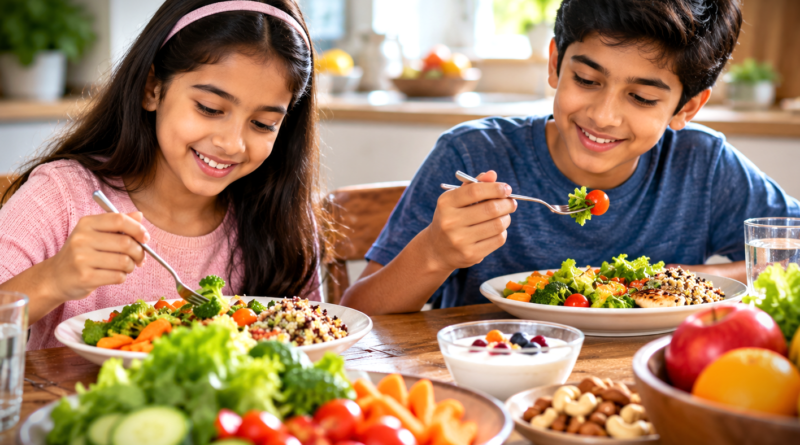
Healthy Eating Habits for Children and Teenagers – India Times Group
Building Strong Bodies, Active Minds, and Lifelong Wellness Through Balanced Nutrition
Healthy eating is one of the most important foundations of a child’s growth and development. During childhood and adolescence, the body undergoes continuous physical, mental, and emotional changes that require adequate nutrition. The foods children and teenagers eat influence their energy levels, concentration, learning abilities, physical development, and overall well-being. Establishing healthy eating habits at an early age can also help them make informed food choices as adults.
However, maintaining a balanced diet can be challenging in today’s fast-paced world. School schedules, homework, social activities, advertising, and easy access to packaged snacks often influence young people’s food preferences. Many children prefer foods that are convenient and appealing rather than meals that provide the nutrients their bodies need. Teenagers may also begin making independent food choices, making it particularly important to understand the value of balanced nutrition.
Healthy eating does not mean following strict rules or eliminating favourite foods. Instead, it involves developing a positive relationship with food, enjoying variety, and understanding how different foods support the body. Parents, teachers, and caregivers can help children build these habits by creating supportive environments and setting practical examples.
Understanding Nutritional Needs During Childhood
Childhood is a period of rapid growth, during which the body develops bones, muscles, organs, and other essential systems. Adequate nutrition provides the building blocks required for these processes. Children need a combination of carbohydrates, proteins, healthy fats, vitamins, minerals, and water to maintain their health and support everyday activities.
Carbohydrates provide energy for walking, playing, studying, and participating in sports. Whole grains, fruits, vegetables, and other nutrient-rich foods can supply carbohydrates alongside important nutrients and dietary fibre.
Protein supports the development and maintenance of muscles and other body tissues. Foods such as lentils, beans, milk, curd, eggs, fish, poultry, tofu, and nuts can contribute to daily protein requirements.
Healthy fats help the body absorb certain vitamins and support normal brain development. Nuts, seeds, and suitable vegetable oils can provide beneficial fats when included as part of a balanced diet.
Vitamins and minerals perform numerous functions. Calcium and vitamin D support bone development, iron helps carry oxygen throughout the body, and vitamin A contributes to normal vision and immune function. A varied diet makes it easier to obtain these nutrients from different food sources.
Nutritional needs change as children grow. Teenagers generally require additional energy and certain nutrients because adolescence involves significant physical development. Their meals should therefore provide enough nourishment to support growth, learning, and daily activities.
Why Breakfast Matters
Breakfast can help children begin the day with energy and concentration. After a night’s sleep, a nourishing morning meal provides an opportunity to replenish energy and obtain important nutrients before school or other activities.
A balanced breakfast does not need to be elaborate. Vegetable poha, idli with sambar, oatmeal with milk, whole-grain toast with eggs, or roti with vegetables and curd can be practical choices. Fruit and yogurt can also contribute to a nutritious morning meal.
Skipping breakfast occasionally does not automatically mean a child will experience health problems, but regularly missing morning meals may make it harder for some children to meet their nutritional needs. Others may become hungry during lessons and find it difficult to concentrate comfortably.
Families can make breakfast easier by preparing ingredients the previous evening. Washing fruit, preparing batter, or planning a simple menu can reduce morning pressure. Children who do not feel hungry immediately after waking can be offered breakfast when they are ready, depending on their routine and needs.
The goal is to establish a flexible routine that supports nourishment rather than turning breakfast into a daily struggle.
Making Fruits and Vegetables Part of Everyday Meals
Fruits and vegetables provide vitamins, minerals, water, and dietary fibre. Different varieties contain different combinations of nutrients, so eating a range of colours and types can help children enjoy greater nutritional variety.
Green vegetables, orange carrots, red tomatoes, purple beetroot, bananas, apples, guavas, and seasonal fruits can all contribute to a balanced diet. Fresh, frozen, or appropriately prepared vegetables can be useful depending on availability and convenience.
Children sometimes reject unfamiliar foods because of their appearance, texture, smell, or taste. Repeated, relaxed exposure can help them become more comfortable with new options. Parents can offer small portions alongside familiar foods without demanding that children finish everything.
Presentation can also make meals interesting. Vegetable sandwiches, fruit bowls, mixed vegetable parathas, homemade soups, and colourful salads provide different ways to introduce produce.
Involving children in washing fruit, selecting vegetables, or arranging ingredients may increase their interest in trying new foods. Teenagers can experiment with recipes and discover combinations they enjoy.
Fruit juice should not routinely replace whole fruit because whole fruit generally provides more fibre and requires less processing. Offering water alongside fruit is a simple way to support everyday hydration.
Choosing Whole Grains and Balanced Carbohydrates
Carbohydrates are an important source of energy, particularly for growing children who attend school, play sports, and participate in other physical activities. The important consideration is the overall quality and variety of carbohydrate sources.
Whole grains such as whole-wheat flour, oats, brown rice, millets, and whole-grain bread contain fibre and other nutrients. Traditional foods such as roti, dalia, vegetable upma, and millet-based dishes can fit naturally into balanced meals.
Refined grains, including white rice and products made with refined flour, can also be part of a varied diet. However, relying almost entirely on highly refined, low-fibre foods may reduce opportunities to obtain additional nutrients.
Combining grains with protein-rich foods and vegetables can make meals more balanced. For example, rice with dal and vegetables, roti with chickpea curry, or a vegetable sandwich with yogurt provides a broader combination of nutrients than a meal consisting only of refined carbohydrates.
Children should receive enough food to meet their energy needs. Carbohydrates are not something that growing bodies need to avoid, and restrictive eating practices can interfere with adequate nourishment.
The Importance of Protein for Growth
Protein is essential for building and repairing body tissues. It supports muscle development, contributes to the production of enzymes, and plays a role in many normal bodily functions.
Children and teenagers can obtain protein from both animal and plant sources. Milk, yogurt, paneer, eggs, fish, and poultry are common options. Lentils, kidney beans, chickpeas, soybeans, tofu, peas, peanuts, and other nuts and seeds also contribute protein.
Indian meals can provide a useful combination of protein sources through everyday foods. Dal with rice, rajma with roti, chole with whole-wheat bread, or paneer with vegetables are familiar examples.
Vegetarian families can support balanced nutrition by including a variety of legumes, grains, dairy products or suitable alternatives, nuts, and seeds. Families following fully plant-based diets should pay particular attention to nutrients such as vitamin B12, iron, calcium, vitamin D, and protein, seeking professional advice when needed.
Teenagers involved in sports may have increased nutritional demands, but special protein supplements are not automatically necessary. Regular meals and appropriate snacks can often provide the protein required for normal growth and activity.
Building Healthy Snacking Habits
Snacks can help children manage hunger between meals and provide additional nutrients. The objective is not to eliminate snacking but to make nourishing options readily available.
Useful snack choices include seasonal fruit, yogurt, roasted chickpeas, homemade vegetable sandwiches, boiled eggs, corn, nuts where safe and appropriate, and whole-grain preparations. The best choices depend on a child’s preferences, allergies, age, and nutritional needs.
Packaged snacks, sweets, and fried foods may be convenient and enjoyable, but they often contain substantial amounts of salt, added sugar, or saturated fat. Eating these foods frequently in place of balanced meals can make it harder to obtain a wide range of nutrients.
Parents can prepare simple snacks in advance and keep suitable options accessible. Teenagers can learn basic food preparation skills, helping them make thoughtful choices when they are hungry after school.
Portion needs vary considerably between individuals. Instead of imposing rigid limits, caregivers can offer satisfying snacks and help children recognise their hunger and fullness signals.
Food should not be used as a reward for good behaviour or withheld as punishment. A calm, flexible approach encourages children to develop a healthier relationship with eating.
Reducing Excess Added Sugar and Salt
Many popular drinks and packaged foods contain added sugar. Frequent consumption of sugary drinks can contribute to dental problems and may displace more nourishing beverages and foods.
Water should generally be the main drink offered throughout the day. Plain milk or an appropriate fortified alternative can also contribute nutrients, depending on a child’s needs. Sweetened soft drinks, energy drinks, and heavily sweetened packaged beverages are better limited.
Children can still enjoy desserts and sweet foods as part of an overall balanced eating pattern. The aim is to avoid making sugary foods the everyday default rather than creating unnecessary fear around occasional treats.
Excessive salt intake is another concern. Packaged chips, instant noodles, salty snacks, and some processed foods can contain considerable amounts of sodium. Preparing meals at home more often allows families to adjust salt levels and include a wider range of fresh ingredients.
Reading food labels can help older children and teenagers understand how sugar and sodium appear in packaged products. This skill encourages informed decisions without requiring them to judge foods as completely good or bad.
Staying Hydrated Throughout the Day
Water supports digestion, circulation, temperature regulation, and many other essential functions. Children may become so absorbed in lessons, games, or outdoor activities that they forget to drink regularly.
Families can encourage hydration by providing clean drinking water at home, carrying reusable bottles where practical, and offering water during meals and breaks. Schools can support the habit by making drinking water accessible throughout the day.
The amount of water a child needs depends on age, activity, weather, health, and the water obtained from food. Children may need more fluids during hot weather or physical exercise.
Fruits, vegetables, soups, and other foods also contribute to fluid intake, but drinking water remains important. During vigorous activity or hot conditions, caregivers should pay attention to thirst and signs of overheating.
Energy drinks are not appropriate everyday hydration choices for children and teenagers because they can contain high amounts of caffeine and other stimulants. Ordinary water is usually the preferred option for routine activities.
Developing Healthy Eating Habits During Adolescence
Adolescence brings physical changes, greater independence, and increased social influence. Teenagers may begin eating outside the home more frequently, purchasing their own snacks, or following food trends promoted online.
These changes create an opportunity to develop practical food skills. Teenagers can learn how to plan meals, prepare simple dishes, compare food labels, and recognise whether a meal includes a useful combination of nutrients.
They should also understand that nutritional needs differ among individuals. Growth patterns, physical activity, health conditions, and personal circumstances can influence what someone needs to eat.
Strict dieting, skipping meals to change appearance, or eliminating entire food groups without medical guidance can interfere with adequate nutrition during adolescence. Conversations about food should focus on strength, energy, enjoyment, and well-being rather than shame or unrealistic appearance expectations.
Parents can encourage independence by allowing teenagers to participate in grocery shopping, select some meals, and learn basic cooking techniques. Providing guidance without constant criticism helps them practise decision-making while maintaining a supportive family environment.
The Connection Between Food, Sleep, and Physical Activity
Healthy eating works best alongside adequate sleep and regular movement. Children need energy for play, exercise, learning, and daily responsibilities. A varied diet helps supply that energy while supporting normal growth.
Physical activity can include walking, cycling, dancing, swimming, outdoor games, or organised sports. Children should have opportunities to move in enjoyable ways rather than feeling that exercise is a punishment for eating certain foods.
Sleep is also important because it supports learning, emotional regulation, and physical development. Consistent sleep routines can make daily schedules more manageable, including time for meals and breakfast.
Families can create routines that connect these habits naturally. Regular meal opportunities, active family outings, and relaxing bedtime practices can make healthy choices easier without introducing unnecessary pressure.
Food, movement, and sleep should be viewed as complementary parts of well-being rather than separate rules that children must follow perfectly.
The Role of Parents and Schools
Children learn a great deal by observing adults. When parents eat a variety of foods, drink water, and enjoy meals without unnecessary restrictions, they demonstrate habits children can adopt.
Family meals can provide opportunities for conversation and connection. Eating together when schedules allow may help caregivers notice changing preferences and ensure children have access to balanced food choices.
Schools also influence eating habits. Nutritious meal programmes, accessible drinking water, practical nutrition education, and supportive canteen options can help students make informed decisions.
Teachers can introduce food education through gardening activities, cooking demonstrations, and discussions about food groups. Such activities make nutrition more practical and engaging than memorising facts alone.
Children should not be pressured, embarrassed, or compared with classmates because of what or how much they eat. Families and schools should respect differences in appetite, culture, food availability, and medical needs.
When a child has persistent feeding difficulties, significant dietary restrictions, allergies, or concerns about growth, professional guidance from a qualified healthcare provider or registered dietitian can help identify appropriate solutions.
Practical Ways to Make Healthy Eating Easier
Healthy eating becomes more achievable when families make small changes consistently instead of attempting a complete lifestyle transformation overnight.
Planning meals for several days can reduce dependence on last-minute packaged foods. Keeping fruit, vegetables, grains, and convenient protein sources available makes balanced meals easier to assemble.
Parents can offer variety while retaining familiar favourites. A child who enjoys rice may accept new vegetables more readily when they are served with a familiar rice dish. Gradual changes are often more practical than forcing an entirely unfamiliar menu.
Cooking at home when possible can also help families control ingredients and introduce traditional recipes. Foods such as dal, seasonal vegetables, curd, roti, and homemade snacks can form part of a nutritious eating pattern without requiring expensive ingredients.
Finally, healthy habits should remain flexible. Special occasions, celebrations, and favourite foods can fit into a balanced lifestyle. Consistency over time matters more than eating perfectly at every meal.
Conclusion
Healthy eating habits during childhood and adolescence provide a valuable foundation for lifelong well-being. Balanced meals, varied fruits and vegetables, adequate protein, whole grains, appropriate fats, and sufficient water help meet the changing nutritional needs of growing bodies.
Parents, schools, and communities can make these habits easier to develop by providing nourishing choices, teaching practical food skills, and creating positive environments around meals. Children benefit when they are encouraged to explore different foods without fear, shame, or unnecessary restrictions.
The most effective approach is simple: offer variety, establish supportive routines, respect individual needs, and make nutritious foods enjoyable. By building these habits gradually, families can help children and teenagers develop confidence in their food choices and carry healthier practices into adulthood.