
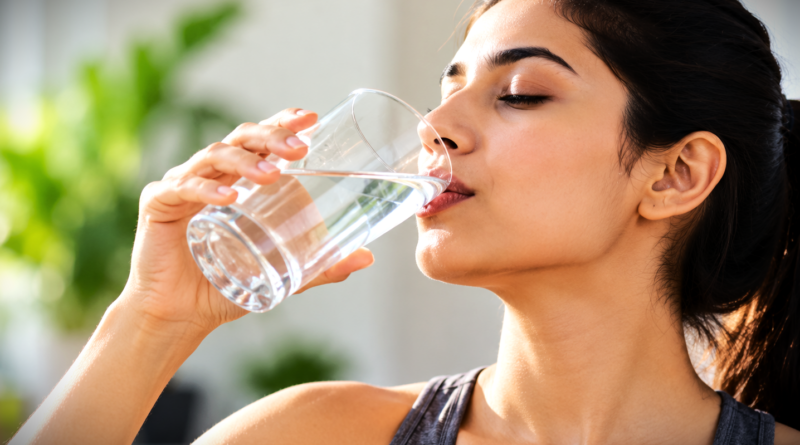
Why Hydration Is Essential for Good Health – India Times Group
Introduction
Water is one of the most important elements required to sustain human life. Although people often focus on eating nutritious food, exercising regularly, and getting sufficient sleep, hydration is sometimes overlooked. The human body depends on water to perform countless essential functions, from regulating temperature and transporting nutrients to supporting digestion and maintaining normal organ function. Without adequate hydration, even simple daily activities can become more challenging.
Hydration refers to maintaining an appropriate balance of fluids in the body. It involves replacing the water lost through breathing, sweating, urination, and other natural processes. Every day, the body continuously uses and loses water, making regular fluid intake necessary for maintaining health.
Proper hydration is important for people of all ages. Children need fluids to support growth and development, adults require them to maintain physical and mental performance, and older individuals may need to pay particular attention to their drinking habits because their perception of thirst can become less reliable.
Understanding why hydration matters can help people develop healthier daily routines. By recognizing the signs of insufficient fluid intake and learning practical ways to stay hydrated, individuals can support their overall well-being and improve their quality of life.
1. Water Supports Essential Body Functions
Water makes up a substantial proportion of the human body and is present in blood, muscles, organs, and cells. It provides an environment in which many chemical reactions necessary for life can occur. Without sufficient water, the body cannot maintain its normal internal balance.
One of water’s primary functions is transporting nutrients and oxygen throughout the body. Blood contains a large amount of water, which helps circulate essential substances to tissues and organs. Water also supports the removal of metabolic waste through urine and other normal elimination processes.
Additionally, water helps maintain the balance of electrolytes, including sodium and potassium. These minerals are important for nerve communication, muscle contraction, and the regulation of fluid distribution between cells.
Adequate hydration also helps maintain the volume of blood circulating through the body. When fluid levels fall significantly, the body may have difficulty maintaining normal circulation, particularly during physical activity or exposure to high temperatures.
Because these processes occur continuously, hydration is not something that matters only when a person feels thirsty. It is a daily requirement that supports the body’s ability to function effectively.
2. Hydration Helps Regulate Body Temperature
The human body must maintain its internal temperature within a relatively narrow range. Water plays an important role in this process, especially during exercise, outdoor activities, and hot weather.
When body temperature rises, sweat is released onto the skin. As the sweat evaporates, it removes heat and helps cool the body. This natural cooling mechanism becomes particularly important during summer or when someone performs strenuous physical work.
However, sweating also causes fluid loss. If the lost water is not replaced, the body may become less effective at regulating its temperature. Dehydration can increase the risk of heat-related illnesses, including heat exhaustion and potentially life-threatening heatstroke.
People who live in hot climates or spend long periods outdoors may need to pay extra attention to their fluid intake. Wearing suitable clothing, taking breaks in shaded areas, and drinking fluids regularly can help reduce heat-related risks.
Hydration is equally important during exercise. Even moderate physical activity can increase fluid requirements when temperatures are high or sweating is substantial. Replacing lost fluids helps the body maintain its cooling capacity and supports recovery after activity.
3. Water Promotes Healthy Digestion
A healthy digestive system depends on several factors, including a balanced diet, regular physical activity, and adequate fluid intake. Water helps the digestive system process food and supports the movement of waste through the intestines.
During digestion, water contributes to the breakdown and movement of food through the gastrointestinal tract. It also helps the body absorb nutrients and maintain the appropriate consistency of digestive contents.
One of the most familiar consequences of inadequate fluid intake is constipation. When the body does not receive enough water, stools may become harder and more difficult to pass. Drinking sufficient fluids, especially alongside fibre-rich foods, can help maintain regular bowel movements.
Water also supports the normal functioning of saliva, which moistens food and begins the digestive process in the mouth. Saliva helps make chewing and swallowing easier while contributing to oral comfort.
However, hydration alone cannot solve every digestive problem. Persistent constipation, abdominal discomfort, or other ongoing symptoms may require medical assessment. A combination of suitable nutrition, physical activity, and appropriate fluid intake is generally more helpful than relying on water alone.
4. Hydration Supports Brain Function and Concentration
The brain requires a stable internal environment to perform tasks such as remembering information, solving problems, making decisions, and maintaining attention. Adequate hydration contributes to this environment.
Even mild dehydration may cause some people to experience headaches, tiredness, reduced concentration, or difficulty completing demanding mental tasks. These effects can be especially noticeable during hot weather, after physical activity, or when someone has gone for a long period without drinking.
Students may benefit from maintaining regular drinking habits throughout the school day. Having access to drinking water can make it easier to remain comfortable during lessons, reading, and examinations.
Adults who spend long hours working at computers may also overlook their fluid needs. Concentrating on work can make it easy to forget to drink, particularly when there are few breaks during the day.
Hydration does not replace sufficient sleep, nutritious meals, or appropriate stress management. Nevertheless, it is one practical part of maintaining the conditions necessary for normal mental performance.
If headaches or concentration problems continue despite adequate fluid intake, other possible causes should be considered rather than assuming dehydration is responsible.
5. Water Helps the Kidneys Remove Waste
The kidneys are essential organs that filter the blood, regulate fluid balance, and remove waste products through urine. Water supports these processes by helping the kidneys produce urine and maintain the body’s internal chemical balance.
When fluid intake is insufficient, urine often becomes more concentrated and darker in colour. This can be a useful indication that someone may need more fluids, although urine colour is also affected by foods, medicines, supplements, and medical conditions.
Adequate hydration helps maintain normal urinary function. It can also reduce the risk of certain types of kidney stones in susceptible individuals by helping dilute substances in urine that can form crystals.
However, drinking excessive amounts of water does not automatically improve kidney health. Consuming too much water too quickly can dangerously lower the sodium concentration in the blood, a condition known as hyponatremia.
People with kidney disease or certain heart conditions may receive specific fluid recommendations from their healthcare professionals. In these situations, individual medical guidance should take priority over general advice to drink more water.
For most healthy people, drinking regularly throughout the day and responding appropriately to thirst is a practical way to support normal kidney function.
6. Hydration Contributes to Healthy Skin
Healthy skin acts as a protective barrier between the body and the outside environment. It helps limit water loss, protects against irritants, and contributes to temperature regulation.
Water is necessary for maintaining normal skin function, and significant dehydration can contribute to dryness and reduced skin elasticity. However, the relationship between drinking water and visible skin appearance is more complicated than it may seem.
Drinking enough fluids supports general health, but consuming extra water beyond the body’s requirements does not necessarily eliminate wrinkles, acne, or other skin concerns. Skin health is also influenced by genetics, age, weather, skincare practices, nutrition, and underlying medical conditions.
People can support healthy skin by drinking adequate fluids, eating a balanced diet, protecting themselves from excessive sun exposure, and using suitable moisturisers when needed.
It is also important to recognize that persistent skin dryness may result from environmental factors or medical conditions rather than dehydration alone.
Hydration should therefore be viewed as one component of a broader approach to skin health instead of a guaranteed cosmetic solution.
7. Water Helps Maintain Energy and Physical Performance
Physical activity requires the coordinated work of muscles, nerves, the cardiovascular system, and the body’s temperature-regulation mechanisms. Water supports all these processes.
During exercise, the body loses fluids through sweat and breathing. If these losses become substantial, a person may experience increased fatigue, reduced endurance, dizziness, or difficulty maintaining their usual level of performance.
Dehydration can also increase the effort required to complete physical tasks. Activities that normally feel manageable may become more difficult, particularly in warm and humid conditions.
Drinking fluids before, during, and after physical activity can help maintain hydration. The amount required depends on the duration and intensity of exercise, environmental conditions, and individual sweating patterns.
For everyday activities and many shorter exercise sessions, plain water is generally sufficient. During prolonged, intense exercise, particularly in hot conditions, drinks containing electrolytes may sometimes be useful to replace minerals lost through sweating.
Adequate hydration also supports normal muscle function. Although drinking water cannot prevent every muscle cramp, maintaining appropriate fluid and electrolyte levels is important for physical well-being.
People should avoid forcing themselves to drink excessive amounts during exercise. Fluid intake should be appropriate for individual needs and the conditions in which the activity takes place.
8. Hydration Supports Healthy Bowel Movements
Regular bowel movements are an important aspect of digestive health. Water helps soften stools and supports the movement of waste through the intestines.
When combined with dietary fibre, adequate fluid intake can help reduce the likelihood of constipation. Fibre absorbs water and adds bulk to stools, making them easier to pass.
Good sources of fibre include whole grains, vegetables, fruits, beans, lentils, and other legumes. Eating these foods while maintaining suitable hydration can support regular digestion.
People who suddenly increase their fibre intake without drinking enough fluids may experience increased digestive discomfort. Gradually increasing fibre and drinking regularly can help the digestive system adjust.
Hydration needs vary among individuals, and drinking additional water may not resolve constipation caused by certain medicines, digestive disorders, or other medical conditions.
If constipation persists, becomes painful, or occurs alongside concerning symptoms, professional medical advice is appropriate.
9. Recognizing the Signs of Dehydration
Dehydration occurs when the body loses more fluid than it takes in. It can develop gradually during a busy day or more quickly during illness, strenuous exercise, or exposure to extreme heat.
Recognizing early warning signs can help people respond before fluid loss becomes more serious.
Common signs of dehydration include:
Feeling thirsty or experiencing a dry mouth.
Passing urine less frequently than usual.
Producing darker or more concentrated urine.
Experiencing tiredness or unusual weakness.
Developing a headache or feeling light-headed.
Having difficulty concentrating.
These symptoms do not always indicate dehydration, and their severity can vary. Urine colour, for example, is an imperfect guide because certain foods and medicines can change its appearance.
More serious dehydration may cause confusion, fainting, a rapid heartbeat, or significant weakness. These symptoms require urgent medical assessment, especially when they occur after prolonged heat exposure or fluid loss.
Vomiting, diarrhoea, fever, and heavy sweating can increase the risk of dehydration. People experiencing these problems may need to replace both fluids and electrolytes. Oral rehydration solutions can be particularly useful during significant diarrhoeal fluid loss when used according to appropriate instructions.
Young children, older adults, and people with certain medical conditions may be especially vulnerable to dehydration and may need earlier assistance.
10. How Much Water Should You Drink Daily?
There is no single amount of water that is appropriate for every person. Fluid requirements depend on age, body size, physical activity, climate, diet, pregnancy, breastfeeding, and health conditions.
The amount of water a person needs may increase during hot weather, intense exercise, or illness that causes sweating, vomiting, or diarrhoea.
It is also important to understand that hydration comes from more than plain drinking water. Milk, other suitable beverages, fruits, vegetables, soups, and many other foods contribute to daily fluid intake.
A practical approach is to drink regularly throughout the day rather than waiting until thirst becomes intense. Keeping a water bottle nearby, drinking with meals, and taking breaks to have fluids can help establish consistent habits.
Thirst and urine colour can offer useful guidance for many healthy adults, but neither measure is perfect. People who exercise intensely or work outdoors may need a more deliberate hydration plan.
Individuals with medical conditions that require fluid restrictions should follow the advice of their healthcare professionals rather than applying general drinking recommendations.
The goal is to maintain adequate hydration, not to consume the largest possible quantity of water.
11. Practical Ways to Improve Daily Hydration
Developing healthy hydration habits does not require complicated routines. Small, consistent changes can make drinking enough fluids easier.
Start the day with water. Having a glass of water after waking can help establish a regular drinking habit. There is no need to consume a large amount at once.
Keep water accessible. A reusable bottle at school, work, or home can serve as a convenient reminder to drink throughout the day.
Drink with meals. Having water during breakfast, lunch, and dinner helps make hydration part of an existing routine.
Eat water-rich foods. Fruits such as oranges, melons, and strawberries, along with vegetables such as cucumbers and tomatoes, contribute to fluid intake while providing important nutrients.
Increase intake when appropriate. Hot weather, physical activity, and excessive sweating may increase fluid requirements. Adjust drinking habits according to these conditions.
Choose beverages thoughtfully. Water is an excellent everyday option. Sugary drinks can add substantial amounts of sugar, while excessive caffeine may not suit everyone.
Pay attention during illness. Fever, vomiting, and diarrhoea can increase fluid losses. Appropriate replacement fluids may be necessary, and medical advice should be sought when symptoms are severe or persistent.
These habits are most effective when they are flexible and suited to individual circumstances.
12. Common Myths About Hydration
Several misconceptions can make it harder to understand what the body actually needs.
One common myth is that everyone must drink exactly eight glasses of water daily. Although this can be a convenient reminder for some people, individual fluid requirements differ, and total water intake includes fluids from foods and other beverages.
Another misconception is that thirst always indicates dangerous dehydration. Thirst is a normal signal that encourages drinking. However, it may become less reliable in some older adults, during demanding activities, or in certain medical circumstances.
Some people also believe that drinking more water always improves health. In reality, excessive intake can be harmful, particularly when large quantities are consumed rapidly.
A further misconception is that only plain water contributes to hydration. Many other beverages and water-rich foods also provide fluids, although their nutritional qualities vary.
Understanding these differences encourages a balanced approach. Healthy hydration involves meeting the body’s needs, recognizing individual circumstances, and avoiding both insufficient and excessive fluid intake.
Conclusion
Hydration is a fundamental part of good health because water supports nearly every major system in the human body. It helps regulate temperature, transport nutrients, maintain circulation, support digestion, assist kidney function, and sustain normal physical and mental performance.
Although drinking enough fluids may seem like a simple habit, its importance becomes especially clear during hot weather, physical activity, and illness. Insufficient hydration can cause discomfort and reduced performance, while severe fluid loss can lead to dangerous complications.
Maintaining healthy hydration does not require following rigid rules or drinking excessive amounts. For most healthy individuals, regular fluid intake, attention to thirst, water-rich foods, and adjustments for weather and activity provide a practical foundation.
Individual needs can differ considerably, particularly among children, older adults, athletes, and people with certain medical conditions. Personalized medical guidance is important whenever fluid requirements are affected by illness or treatment.
Ultimately, water is more than a basic beverage. It is an essential resource that helps the body function, adapt, and remain healthy. By making hydration a consistent part of everyday life, people can take a simple but meaningful step toward supporting their long-term well-being.